


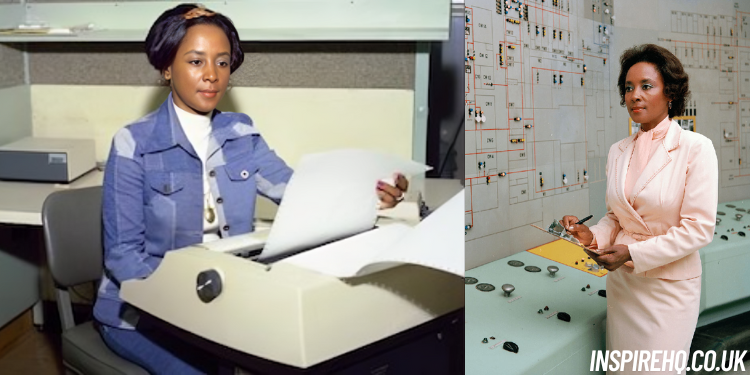
Annie Easley was an extraordinary mathematician, computer scientist, and rocket technologist whose pioneering work helped shape NASA’s success. Born on April 23, 1933, in Birmingham, Alabama, she rose from humble beginnings to become one of NASA’s leading problem solvers. Her remarkable determination and intelligence allowed her to overcome racial and gender barriers, leaving a legacy that continues to inspire scientists, dreamers, and innovators around the world. In this article, we will explore the inspiring life of Annie Easley — her journey from humble beginnings to NASA’s laboratories, her groundbreaking achievements in science and technology, and the lasting legacy she left as a pioneer for women and minorities in STEM.
Quick Bio:
| Full Name | Annie Jean Easley |
|---|---|
| Born | April 23, 1933 |
| Died | June 25, 2011 |
| Age at Death | 78 years |
| Birthplace | Birmingham, Alabama, USA |
| Nationality | American |
| Profession | Mathematician, Computer Scientist, Rocket Technologist |
| Height | Not publicly known |
| Net Worth | Not available (public servant) |
| Education | B.S. Mathematics, Cleveland State University |
| Employer | NASA (formerly NACA) |
| Known For | Centaur Rocket Project, Advocacy for Diversity |
| Marital Status | Divorced |
| Social Media | None (Pre-digital era) |
Early Life and Education
Growing up in the segregated South, Annie was guided by her mother’s belief that hard work could achieve anything. She attended parochial schools, where she excelled and graduated as valedictorian. Initially, she pursued pharmacy at Xavier University of Louisiana, but after moving to Cleveland following her marriage, she shifted her career path. Her dreams of medicine soon transformed into a journey toward science, technology, and the stars.
Beginning at NASA
In 1955, Annie read an article about women computers at NACA, the National Advisory Committee for Aeronautics. Inspired, she applied immediately and was hired within two weeks. She began her career as a human computer, performing complex calculations before computers existed. Among thousands of employees, she was one of only a handful of African American women. Her early work laid the foundation for groundbreaking scientific projects that would later power NASA’s exploration into space.
Rising Through the Ranks
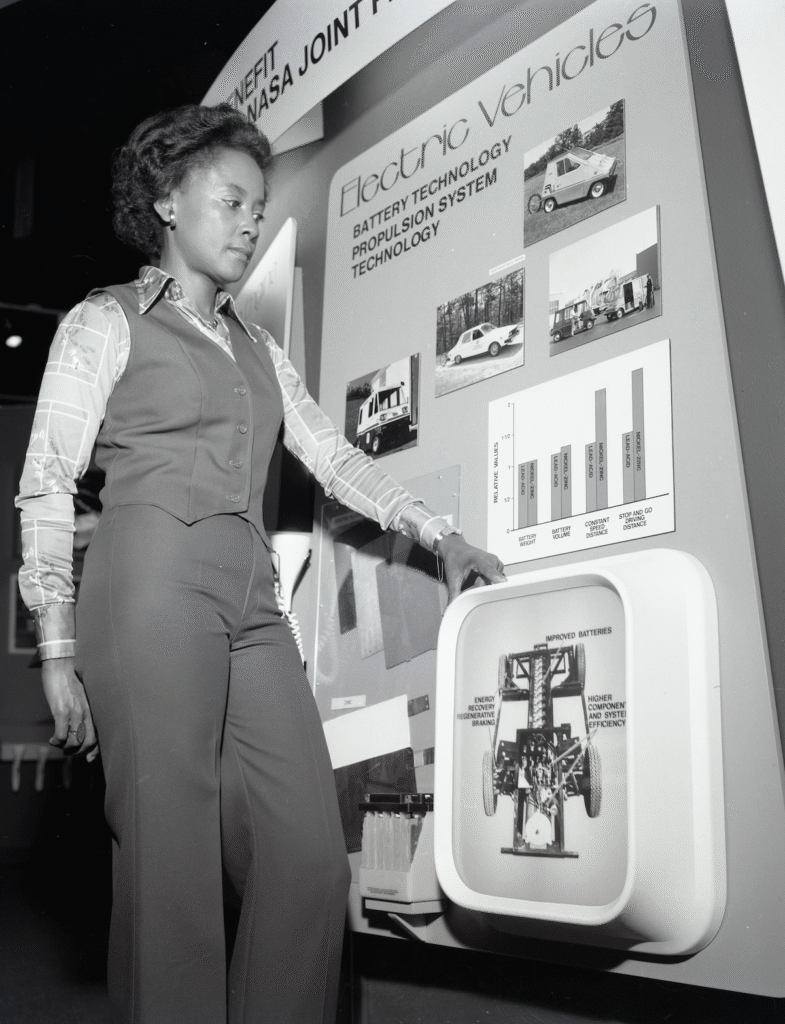
As the digital age emerged, Annie taught herself computer programming languages like FORTRAN and SOAP. Her transition from human computer to computer scientist reflected her adaptability and hunger for growth. She contributed to the Centaur rocket project, which became essential for satellite and space probe launches. Her code guided missions and experiments that expanded human reach beyond Earth. Annie’s intelligence and work ethic earned her lasting respect among peers and engineers alike.
Facing Discrimination with Strength
Annie Easley faced numerous challenges, including pay inequality and exclusion from key opportunities. Despite these setbacks, she refused to let discrimination define her career. With quiet confidence, she continued proving her worth through exceptional work. Her perseverance and courage became a model for others. She once said, “If I can’t work with you, I will work around you,” a statement that perfectly captured her determination to succeed in an era that often worked against her.
Innovator and Problem Solver
Her groundbreaking work on the Centaur rocket system transformed the future of space exploration. The Centaur’s power allowed NASA to launch satellites and planetary probes more efficiently. Beyond rocketry, Annie researched alternative energy sources, including solar and battery-powered technologies, long before they became global priorities. She viewed technology as a way to improve lives and solve real-world problems. Her innovative approach helped bridge early aerospace development with modern energy research.
Advocacy and Mentorship
Beyond science, Annie became a strong advocate for diversity and equality within NASA. She served as an Equal Employment Opportunity counselor, ensuring fair treatment for all employees. She also mentored countless young students, encouraging women and minorities to pursue STEM careers. Annie believed that opportunity should never depend on gender or race. Through her compassion, guidance, and leadership, she paved a path for future generations to follow in her footsteps.
Personal Life and Character
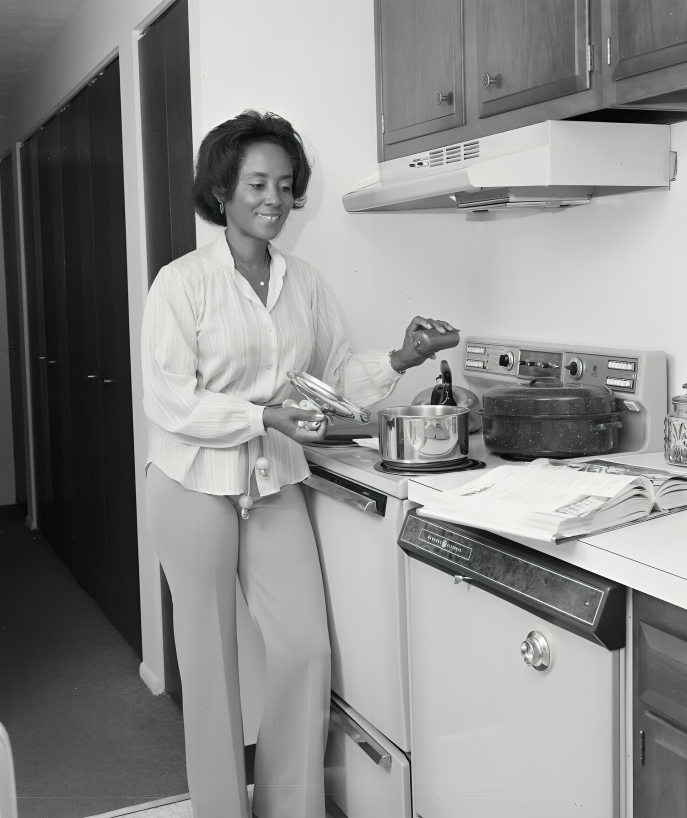
Annie Easley’s personal life reflected her balance of intellect and passion. She married in 1954, later divorced, and chose to focus on her career and self-growth. Outside of NASA, she enjoyed skiing, reading, and volunteering. Though her height and net worth were never publicly documented, her true wealth lay in her achievements, integrity, and contribution to science. She valued purpose over fame, showing that quiet brilliance often leaves the most powerful impact.
Recognition and Legacy
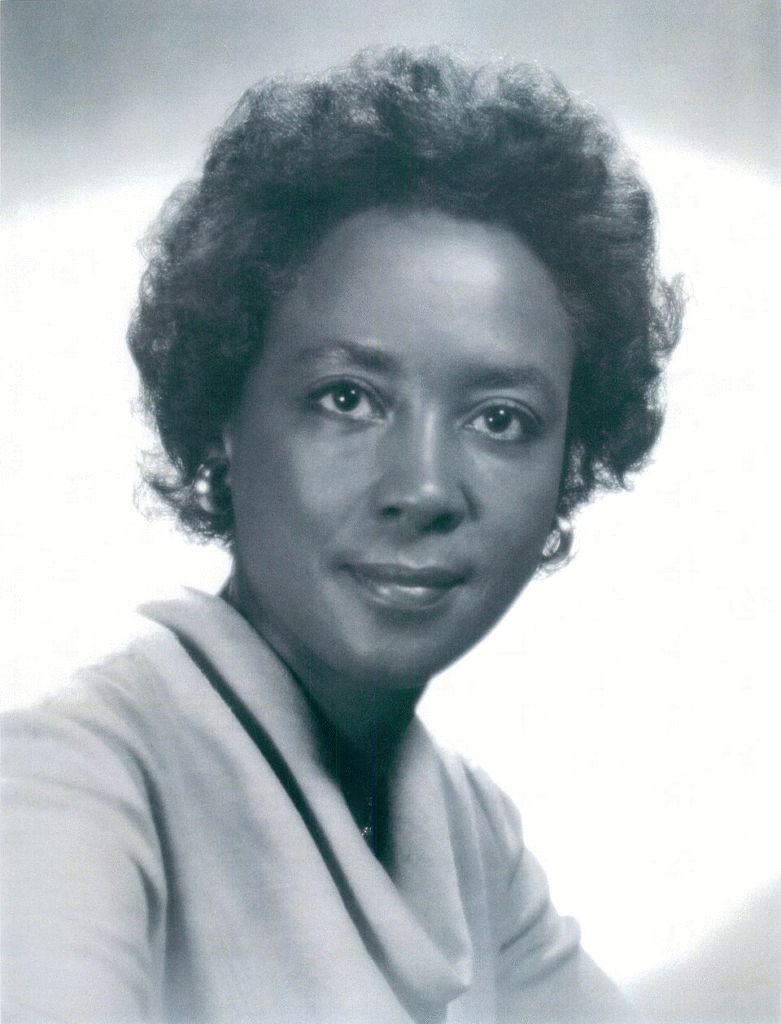
After retiring from NASA in 1989, Annie continued to inspire through community work and mentorship. She passed away on June 25, 2011, but her influence endures. In 2021, a lunar crater was named “Easley” to honor her contributions. Her story is now taught in classrooms as part of NASA’s legacy of inclusion and innovation. Annie Easley’s journey remains a symbol of perseverance, intelligence, and the power of believing in oneself against all odds.
Lessons from Her Journey
Annie Easley’s life reminds us that determination can overcome any obstacle. Her path from segregated Alabama to NASA’s laboratories shows that success is built on resilience and education. She taught the world that technology is for everyone, and her example continues to encourage new voices in science. Annie’s legacy isn’t only about rockets or research—it’s about humanity’s potential to rise, learn, and reach for the stars through courage and hard work.
FAQs:
Who was Annie Easley?
Annie Easley was an American mathematician, computer scientist, and engineer who worked for NASA. She was among the first African American women to contribute to major space and energy programs, including the Centaur rocket project.
What was Annie Easley known for?
She is best known for her contributions to NASA’s Centaur rocket technology and for promoting diversity and equality in science and engineering fields.
Did Annie Easley have children?
No public records indicate that Annie Easley had children. She focused much of her life on her work, mentoring, and inspiring young scientists.
What was Annie Easley’s education?
Annie earned her Bachelor of Science degree in Mathematics from Cleveland State University while working full-time at NASA.
When did Annie Easley pass away?
Annie Easley passed away on June 25, 2011, at the age of 78, leaving behind a legacy of innovation, courage, and inspiration in the field of science.
Also Read: Samantha Logan: Her Age, Net Worth, Family & Life Behind the Camera