


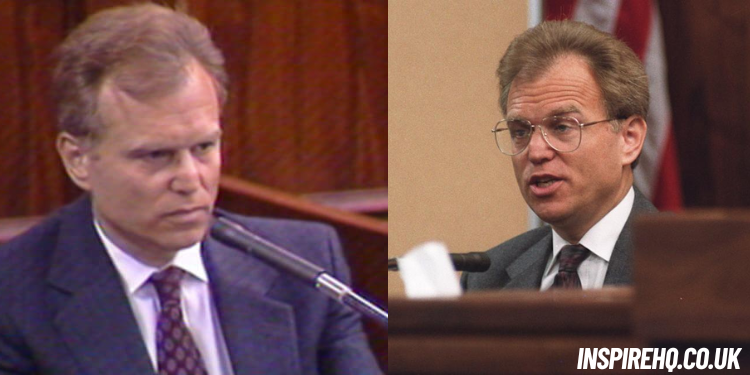
In the late 1980s, a quiet, unassuming therapy office in Beverly Hills became the setting of a confession that would shock the nation. Dr. Jerome Oziel, a practicing psychologist known for his work in phobias and sex-related disorders, was the first person to hear a secret that would change true crime history. When one of his patients, Erik Menendez, revealed that he and his brother had killed their parents in cold blood, Oziel found himself facing an extraordinary ethical dilemma. That moment launched him from the shadows of private practice into the glare of one of the most sensational murder trials America had ever seen. His role in this case was both pivotal and controversial—one that forever blurred the lines between therapist and witness. In this article, we’ll explore the remarkable story of Dr. Jerome Oziel—his connection to the Menendez brothers, the ethical storm that followed, and where his life stands today.
Quick Bio:
| Name | Dr. Jerome Oziel |
|---|---|
| Profession | Former Clinical Psychologist |
| Famous For | Menendez Brothers Case |
| Age | Estimated mid-70s to early 80s |
| Education | PhD in Psychology, ASU (1972) |
| Height | Not publicly available |
| Net Worth | Unknown |
| Wife | Laurel Oziel |
| Children | Stacy and Alyssa Oziel |
| Current Location | Albuquerque, New Mexico (reported) |
| Social Media | Not active |
| License Status | Surrendered (1997) |
| Controversy | Breach of ethics, confidentiality |
Who Was Dr. Jerome Oziel?
Jerome Oziel, often referred to as “Dr. Jerry Oziel,” began his career in psychology with promise and ambition. After receiving his doctorate in clinical psychology in the early 1970s, he quickly made a name for himself among professionals in his field. Practicing in South Carolina initially, he later moved to California, where he set up a private office in Beverly Hills. There, he catered to a clientele that ranged from the everyday to the elite, offering counseling for individuals dealing with phobias, sexual dysfunction, and emotional trauma. His reputation was polished, his demeanor calm, and he appeared to be the picture of professional success. Yet underneath that composed surface lay a man who would eventually find himself at the center of a national legal drama.
How He Met the Menendez Brothers
In 1988, Erik Menendez was referred to Dr. Oziel for therapy after being caught in a series of petty crimes, including burglary. Oziel saw a troubled young man beneath the surface—shy, anxious, and seemingly tormented by family issues. Eventually, Lyle Menendez joined the sessions as well. As their therapy progressed, Oziel began to see deeper cracks in their emotional states. They spoke of parental pressure, unrealistic expectations, and fears that weren’t easy to explain. Over time, the brothers grew more comfortable in their sessions, and Dr. Oziel became a trusted figure—so much so that when the brothers committed their brutal crime, they didn’t run from their therapist. Instead, they returned to him, seeking relief from the weight of their secret.
The Confession: Halloween 1989
On the night of October 31, 1989, Erik Menendez walked into Dr. Oziel’s office looking pale and visibly disturbed. He was reportedly suffering from intense nightmares, anxiety, and guilt. That night, he cracked. He revealed to Oziel that he and his brother had shot and killed their parents, José and Kitty Menendez, in the family’s Beverly Hills mansion. Oziel was stunned but tried to remain professionally composed. He asked Erik to wait while he brought Lyle into the session. Once both brothers were present, the entire story unfolded. What followed were multiple recorded therapy sessions where the brothers gave disturbing details of the crime. Oziel, sensing the legal gravity of their confessions, decided to tape these sessions—not to exploit, but as a safeguard. However, the tapes would later become the most explosive evidence in the case.
Breaking Confidentiality: Judalon Smyth’s Role
While therapist-patient confidentiality is sacred in psychology, the situation with the Menendez brothers proved complicated. Oziel did not initially go to the authorities. Instead, he confided in a woman named Judalon Smyth—a former patient and, at the time, his lover. He told her about the murder confession and the recordings he had made. This breach of trust and ethics would later become his downfall. When their romantic relationship ended abruptly, Smyth felt betrayed and chose to report what she knew to the police. Her tip led investigators straight to Oziel. Eventually, the tapes were obtained, and the shocking contents confirmed Erik and Lyle’s involvement in the murders. Without Smyth’s whistleblowing, the case might have remained cold for much longer.
Legal Battles Over the Tapes
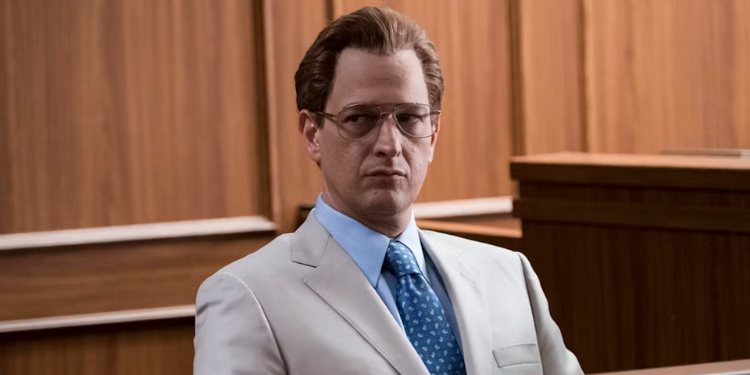
Once the existence of the tapes became known to the courts, the defense moved swiftly to have them suppressed. The recordings were made during confidential therapy sessions, and traditionally, such evidence would not be admissible in court. However, Oziel testified that Lyle had threatened his life, implying that he feared for his own safety. This claim created a legal gray area. The courts ruled that when a patient poses a serious threat to their therapist or others, the confidentiality agreement can be waived. After months of appeals, the majority of the taped sessions were allowed into evidence. The contents of those recordings gave prosecutors a compelling narrative—one that no longer relied on speculation but came directly from the mouths of the killers.
Oziel’s Court Testimony
By the time the trial began, Dr. Oziel was no longer a quiet background figure. He was a central witness, and both the prosecution and defense knew that his presence could make or break the case. On the stand, he described the confessions, the threats, and his moral conflict. The defense attacked his credibility, pointing out his romantic involvement with Smyth and accusing him of unethical behavior. There were moments when Oziel’s personal choices cast a shadow over his professional judgment. But in the end, the tapes he had recorded, along with his testimony, formed a cornerstone of the case. The jury heard firsthand how the brothers planned and carried out the murder, and how they later sought comfort—not in repentance, but in therapy.
Ethics Controversy and Loss of License
After the trial, Oziel found himself under scrutiny not just from the media, but from the psychology licensing board. He faced serious ethical accusations: violating confidentiality, engaging in inappropriate relationships with patients, and using his position of power irresponsibly. Rather than fight the charges publicly, Oziel surrendered his license in 1997. He claimed it was a voluntary decision, made because he had moved out of state and no longer intended to practice. Still, the damage to his reputation was done. In the eyes of many, he was a man who had breached the very oath of trust that therapy depends on. Though never formally found guilty of wrongdoing, his professional career in psychology effectively ended there.
Where Is He Now?
After leaving California, Dr. Oziel moved away from the spotlight. He settled in a quieter part of the country—believed to be in Albuquerque New Mexico—where he began conducting relationship and self-help seminars, especially focused on empowering women in their personal lives. He stepped back from psychology and adopted a more private lifestyle. Despite the fame—and infamy—that came with his involvement in the Menendez case, Oziel has kept a low profile ever since. He rarely gives interviews, avoids media appearances, and has not returned to clinical practice. His story became a chapter in legal and psychological history, but today, he lives largely outside of public view.
Personal Details: Age, Family, Appearance and More
While Dr. Oziel has intentionally kept many personal details private, some information is known. Based on his educational timeline, he is believed to be in his late 70s to early 80s. He is reportedly married to a woman named Laurel Oziel, and they have at least two daughters—Stacy and Alyssa. There is no verified information about his physical height, weight, or specific appearance. Photographs from the 1990s show a clean-cut man in suits with calm, measured facial expressions. His net worth is also unknown, though it is believed he stepped into business consulting after his psychology license was surrendered. He does not appear to be active on any social media platforms, maintaining a life of privacy, away from the echo of his courtroom past.
Legacy and Impact
Dr. Jerome Oziel’s involvement in the Menendez brothers’ trial left behind more than just a scandal—it created a precedent. His role triggered national debate about therapist-patient confidentiality and ethical boundaries in counseling. In many ways, he served as a cautionary tale: a man who uncovered a dark truth but paid a personal price for how he handled it. He may be remembered as the psychologist who recorded a murder confession, but his actions forced professionals and the public alike to reconsider where the line is drawn between privacy and justice. His story is one of complexity—not black and white, but deeply human.
Conclusion
Dr. Jerome Oziel will always be remembered as more than a therapist. He became a symbol of moral tension, of professional risk, and of how one decision can ripple through countless lives. His tapes unlocked a case that may have gone unsolved. But in doing so, he also unlocked a series of consequences for himself. In the court of public opinion, Oziel has been both vilified and praised. Whether seen as a hero or a cautionary figure, his name will remain tied to one of the most shocking crimes in American history. And while his voice has since faded from public discussion, the legacy of his choices continues to echo in legal textbooks, psychology courses, and true crime stories to this day.
FAQs:
Who is Dr. Jerome Oziel?
Dr. Jerome Oziel is a former Beverly Hills psychologist known for recording the confession of Erik and Lyle Menendez, which helped crack one of America’s most infamous murder cases.
What was his role in the Menendez brothers’ trial?
He was the therapist who the brothers confided in after the murder of their parents. His recordings of their sessions became key evidence in their trial.
Did Dr. Oziel lose his license?
Yes. In 1997, he voluntarily surrendered his license amid ethics investigations but was never formally convicted of professional misconduct.
Where is Dr. Oziel now?
He is believed to be living a quiet life in Albuquerque, New Mexico, and has worked in relationship coaching and seminar-based consulting.
Is Jerome Oziel active on social media?
No, he maintains a low profile and does not appear to be active on any public social media platforms.
Also Read: Barry Odom Biography: Early Days, Coaching Path, and Purdue Era