


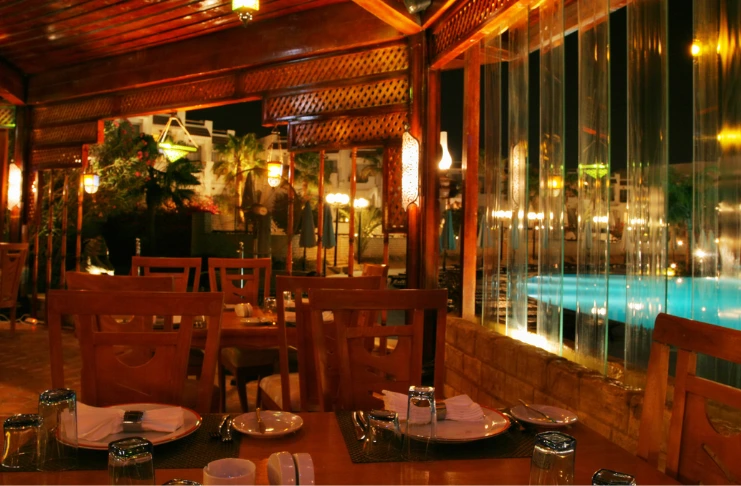
Walk into any busy dining room and notice what your eyes land on first. It is rarely the lighting fixture or the artwork. More often, it is the tables. They anchor the room, shape the flow, and quietly determine how guests experience everything from their first sip of water to the final dessert bite.
Forward-thinking operators understand something simple yet powerful. In modern venues, premium restaurant tables are not just surfaces. They are business tools, brand statements, and revenue drivers all at once.
In a hospitality market where margins are tight and online reviews can shape public perception overnight, every square foot matters. The global restaurant industry generates trillions in annual revenue, and even small improvements in layout efficiency or table turnover can influence profitability in measurable ways. That is why smart operators are paying closer attention to the tables at the heart of their dining rooms.
Tables Shape First Impressions Before the Menu Does
Imagine a guest walking in for the first time. Before they taste the food or meet the server, they see the layout. The spacing. The size of the tables. The materials.
A heavy solid wood table communicates warmth and permanence. A sleek laminate top with a slim metal base signals modern efficiency. A worn, unstable table, on the other hand, signals neglect, even if the kitchen is excellent.
Consumers today are visually driven. With more than 90 percent of diners checking online reviews before choosing a restaurant, and social media playing a major role in discovery, presentation carries weight. Tables often appear in customer photos more than any other piece of furniture. They frame the plates, the drinks, the smiles, and the moments.
Forward thinking operators treat tables as part of their marketing strategy. They ask:
- Does this table reflect our concept clearly?
- Will it photograph well in natural and artificial light?
- Does it elevate the perceived value of our menu?
When tables align with brand identity, guests subconsciously feel that the experience is cohesive.
Layout Efficiency Starts With the Table Footprint
Let’s talk numbers for a moment.
In many full-service restaurants, table turnover can range from 1.5 to 3 times per service period, depending on concept and speed. Even a modest increase in turnover, achieved through better spacing and smart table sizing, can translate into significant annual revenue gains.
Restaurant tables determine how many seats you can realistically and comfortably fit into your dining room. Oversized tables may look impressive, but they can reduce total seating capacity. Undersized tables create discomfort and limit upselling opportunities, especially for shared appetizers or additional drinks. Forward-thinking operators carefully analyze their square footage. They consider:
- Standard table sizes that balance comfort and density
- Flexible configuration, such as push-together tops, for larger parties
- Base styles that minimize obstructions and maximize legroom
Pedestal bases, for example, often offer greater seating flexibility than four-legged designs. In high-traffic environments, durable, commercial-grade table tops with reinforced cores reduce wobbling and long-term maintenance issues.
It is not just about fitting more people. It is about creating a layout that flows naturally, supports staff efficiency, and maintains guest comfort.
Durability Is a Long-Term Investment, Not an Expense
Here is a question worth asking. How often should you be replacing your tables?
In high-volume restaurants, tables endure constant stress. Plates, glassware, cleaning chemicals, heat, and frequent movement all take their toll. Inferior materials may look attractive at first, but degrade quickly, leading to chips, peeling edges, and unstable bases. Forward-thinking operators calculate long-term replacement costs, not just the initial purchase price. Commercial-grade restaurant tables built with solid wood, high-pressure laminate, or resin surfaces can withstand years of daily use. Reinforced metal bases, often made of steel, add structural stability that prevents costly downtime or guest complaints.
The math becomes clear over time. Replacing low-quality tables every 2 to 3 years costs more than investing in durable pieces that last 2 to 3 times as long. In addition, fewer service disruptions and fewer negative guest experiences protect your brand reputation.
Guest Comfort Directly Influences Spending
Have you ever lingered at a comfortable table and ordered one more drink? Or left early because the setup felt cramped?
Guest comfort is directly related to average check size. Research in hospitality design shows that comfortable, well-spaced environments encourage longer stays. Longer stays often mean additional courses, desserts, or beverages.
Table height, depth, and stability all contribute to comfort. Standard dining table height in the United States is around 30 inches. When paired correctly with 18-inch seat height restaurant chairs, guests can dine without feeling cramped or hunched.
Spacing matters just as much. Industry guidelines often recommend at least 24 inches of width per guest to ensure elbow room. Forward-thinking operators design their layouts with these standards in mind, understanding that comfort translates into revenue and positive reviews.
Flexibility Supports Modern Dining Trends
Dining habits are evolving.
Some guests work remotely over coffee during the day. Others gather for large group celebrations at night. Many expect adaptable spaces that accommodate different party sizes and service styles.
Modular restaurant tables allow operators to respond quickly. Square tops can combine into larger rectangles for big groups. The two top tables can be separated or joined depending on reservations. In fast casual environments, lightweight yet durable tables allow staff to reconfigure layouts for events or peak periods.
Operators who prioritize flexibility position themselves to adapt to seasonal demand, special events, and shifting consumer expectations. That adaptability is not just convenient. It is strategic.
Tables as Silent Brand Ambassadors
It is easy to focus on logos, menus, and marketing campaigns. Yet the physical environment often speaks louder.
A rustic farmhouse table tells a different story than a glossy marble look surface. A thick butcher block top suggests craftsmanship. A slim, minimalist design suggests urban sophistication.
Forward thinking operators recognize that restaurant tables communicate values. Sustainability, for example, has become a growing priority for consumers. The global sustainable furniture market continues to expand as businesses and homeowners look for responsibly sourced materials. Choosing tables made from certified wood or eco conscious finishes can align with that trend and attract environmentally aware guests.
Tables are silent ambassadors. They reinforce your concept every time a guest sits down.
Strategic Choices CreateLong-Termm Advantage
So why do forward-thinking operators prioritize restaurant tables?
Because they understand the ripple effect.
The right tables influence layout efficiency, guest comfort, brand perception, social media presence, maintenance costs, and overall revenue potential. They support staff workflow and enhance the dining experience without drawing attention to themselves.
In a competitive industry where small margins define success, details matter. Restaurant tables may seem simple, but they sit at the center of every service. Food is plated on them. Deals are signed over them. Celebrations unfold around them.
Smart operators do not treat tables as an afterthought. They treat them as foundational assets that shape both experience and profitability.
And in the long run, that perspective sets them apart.