

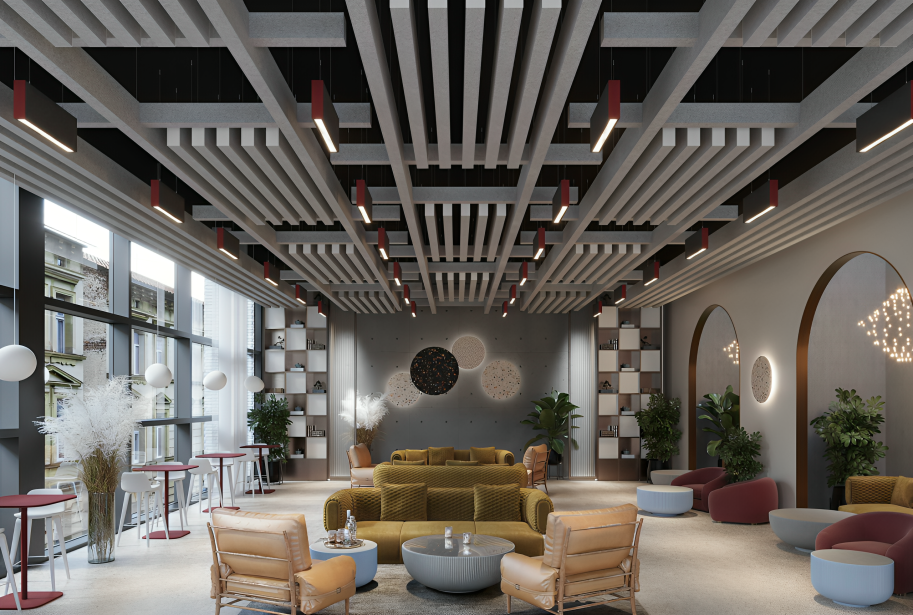
Walk into a dining room that was laid out well and you feel it before you can name it. The noise sits at a level where conversation flows. The seating near the door hums while the corner you were led to holds a quiet where you can hear yourself think in. Nothing about that is accidental, and in 2026, it is becoming the central job of design rather than a happy byproduct of it.
For operators planning a build or a refresh, the next move is to stop thinking of layout as furniture arrangement and start thinking of it as feeling arrangement. The pieces themselves matter, and a thoughtful approach to restaurant design now begins with the question of how each zone should make a guest feel, then works backward to the seating that produces it.
One Room, Several Personalities
The single biggest shift heading into 2026 is the expectation that one space will live several lives in a day. A room that hosts laptops and flat whites at 10 a.m. becomes a lunch service, then a date-night dinner, then a late bar, all without closing to rearrange itself. Designers are planning for that from the first sketch rather than forcing one fixed layout to serve every hour.
That ambition is reshaping the furniture spec. Movable partitions, modular booths that expand or contract with party size, and seating that reconfigures without a crew are replacing the permanent walls that locked a room into a single use. The floor breathes now, and the most adaptable rooms win the most hours of the day.
Sound as the New First Impression
Acoustics has moved from an afterthought handled with panels after opening to a primary design input drawn on day one. Hard surfaces, open kitchens, and high ceilings look spectacular and sound brutal, and operators have learned that a room guests cannot talk in is a room they do not return to. The fix is being designed in rather than bolted on.
Upholstered seating is quietly one of the most effective tools in that effort. Booths, banquettes, and padded chairs absorb the sound that bounces off glass and concrete, and a room ringed in soft seating simply feels calmer than one furnished in bare wood and metal. The discipline behind these choices is acoustics, and the operators who treat it as a seating decision, rather than only a ceiling decision, end up with rooms where guests stay longer.
The Felt Geometry of Closeness
How close tables sit to one another is no longer a pure capacity calculation. Designers in 2026 are spacing seating with intent, building pockets of intimacy where a couple feels private and zones of energy where a group feels part of something. The study of how people use the space around their bodies, proxemics, is becoming as central to a floor plan as the seat count.
Consider what changes when you give a two-top eight extra inches of breathing room. The guests lower their voices, linger over a second course, and read the room as generous rather than cramped. Pack the same tables tight and you gain covers while losing the dwell time and the spend that comes with it. The geometry is doing emotional work whether the operator planned it or not.
Designing the Mood of Each Zone
The forward-looking move is to map a room by feeling before placing a single table. Picture the guest in each area and design the seating to deliver the mood they came for. A short planning pass might run like this.
- Place high-energy seating near the bar and entrance, where buzz is an asset.
- Pull quieter tables deep into the room and soften them with upholstery and screens.
- Build a comfortable transitional zone so waiting guests are seated, not stranded.
- Reserve the best acoustic pocket for the tables you want lingering and reordering.
That sequence reverses the old habit of cramming in chairs and hoping the atmosphere sorts itself out. It starts with the experience and lets the furniture serve it.
Comfort as the Quiet Differentiator
There is a strategic reason all this attention lands on how a room feels. Comfortable, well-spaced, acoustically calm seating extends dwell time, and dwell time and average check tend to move together. A guest who relaxes orders the extra coffee, the second glass, the dessert nobody planned on. The layout is a revenue lever disguised as a mood.
Imagine the operator two years out who treated seating as the soul of the room rather than its filler. They will have a space that flexes across the day, sounds like a place you can talk, and holds guests longer because the chair never gives them a reason to leave. That is the direction hospitality design is heading, and the seating decisions made now are what will make those rooms feel inevitable.
What the Best Rooms of 2026 Will Have in Common
The dining rooms that define the year ahead will not be the loudest on the design blogs. They will be the ones guests describe with a feeling rather than a feature: easy, warm, somehow effortless to sit in for hours. That ease is engineered, and most of the engineering lies in the seating and its arrangement.
The operators who get there will be the ones who stopped asking how many seats fit and started asking how each seat should make a person feel. Plan the mood first. Choose furniture that produces it, that flexes with the day, that softens the sound, that gives bodies room. Do that, and the room will feel like 2026 long after the trend cycle has moved on, because comfort and coherence never go out of style.