


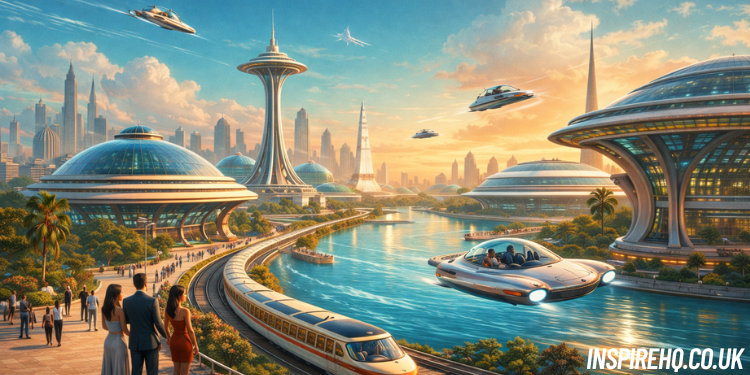
Retro futurism is a unique visual and cultural concept that blends imagination from the past with visions of the future. It shows how people in earlier decades imagined tomorrow would look, often filled with flying cars, chrome machines, and space-age cities. The retro futurism aesthetic is widely used in design, art, and entertainment because it combines nostalgia with creativity, making it visually powerful and emotionally engaging for modern audiences. Discover retro futurism, a unique blend of vintage style and futuristic imagination that reveals how earlier generations envisioned tomorrow.
Meaning of Retro Futurism
Retro futurism is a style that merges retro design elements with futuristic imagination. It reflects how people in the early and mid-20th century believed the future would evolve. The retro futurism style is not based on reality but on creative prediction. It often includes bold machinery, analog interfaces, and imaginative technology. This blend of old and new creates a visually rich concept that continues to inspire designers, filmmakers, and digital creators worldwide.
Origins of Retro Futurism
The origins of retro futurism can be traced back to early science fiction and the space age era. During the 1950s to 1970s, society was deeply influenced by space exploration and rapid technological growth. People imagined a future filled with robots, space travel, and futuristic cities. These ideas shaped the foundation of retro futurism design. Over time, modern creators revived these visions, turning them into a nostalgic aesthetic that celebrates past dreams of the future.
Visual Style and Retro Futurism Aesthetic
The retro futurism aesthetic is known for its bold and expressive design language. It features chrome textures, neon lighting, pastel color schemes, and mechanical control panels. Unlike modern minimalism, retro futurism focuses on detailed and physical-looking technology. Screens, buttons, and dials are large and visible. Architecture often includes dome cities and space-inspired structures. This style creates a strong visual impact that feels both nostalgic and futuristic at the same time.
Retro Futurism Design Elements
Retro futurism design often combines imaginative technology with vintage aesthetics. Common elements include flying vehicles, robotic assistants, and analog computers. Interiors are filled with glowing panels and geometric shapes. The retro futurism style emphasizes physical interaction with machines rather than digital simplicity. This creates a sense of depth and realism within an imagined world. Designers use these elements to build environments that feel both futuristic and rooted in historical creativity.
Subgenres of Retro Futurism
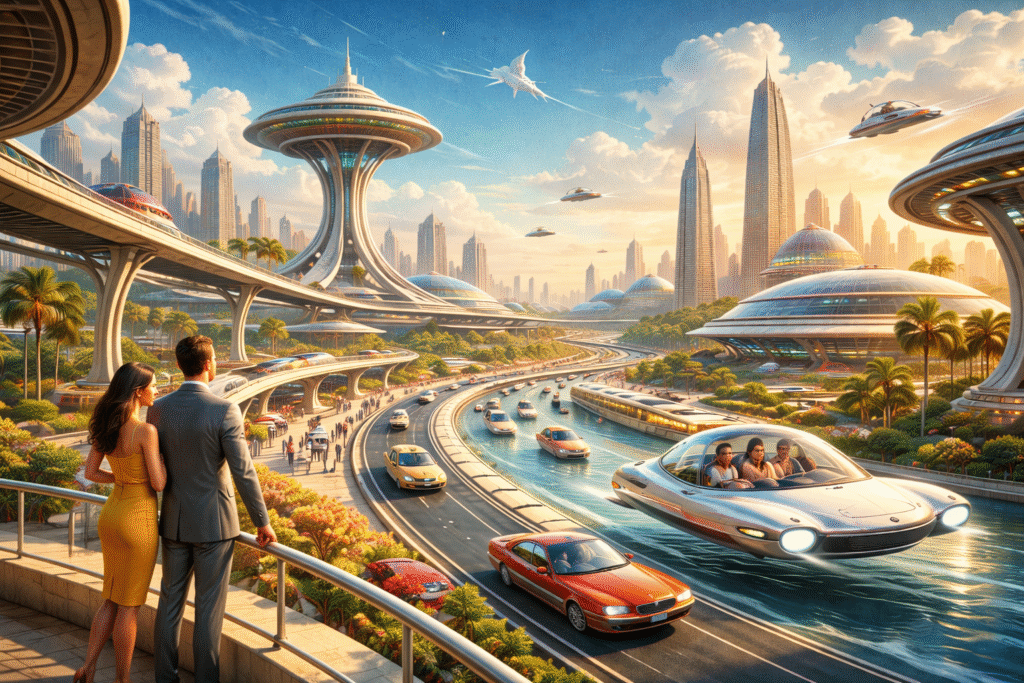
Retro futurism includes several subgenres that reflect different historical influences. Atomic age design focuses on 1950s optimism and bold geometric patterns. Space age futurism highlights NASA-inspired visions of space exploration. Cyber retro blends neon aesthetics with vintage machinery. Each version of retro futurism design represents a different interpretation of how the future was imagined. Despite differences, all share the same foundation of nostalgia and creative worldbuilding.
Retro Futurism in Pop Culture
Retro futurism has a strong presence in movies, games, and music. Many films use retro futuristic worlds to create visually striking environments filled with analog technology and imaginative cities. Video games often use the retro futurism aesthetic to build alternate realities with vintage-inspired tech. Music genres like synthwave also reflect this style through neon visuals and retro themes. This cultural influence continues to grow because it connects emotion, storytelling, and visual creativity.
Why Retro Futurism Is Popular Today
Retro futurism remains popular because it blends nostalgia with imagination. It reminds people of a time when the future felt exciting and full of possibilities. The retro futurism style stands out in a world dominated by minimal and digital design. Its bold visuals and expressive details create strong emotional appeal. Designers and artists use retro futurism design to bring warmth, creativity, and storytelling into modern digital experiences and branding.
Retro Futurism vs Modern Futurism
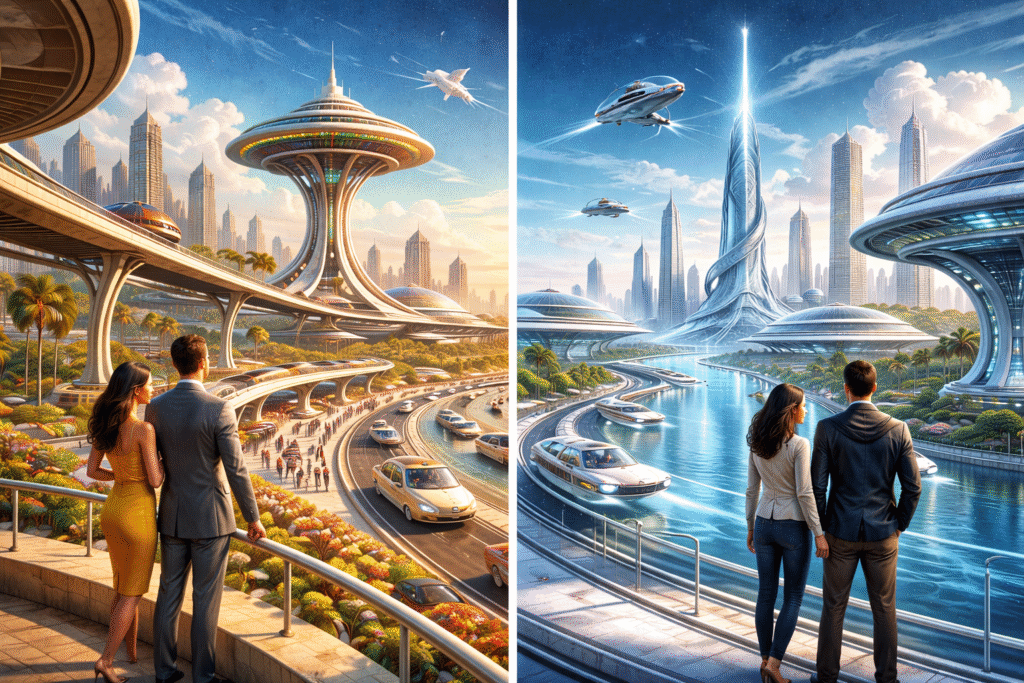
Retro futurism and modern futurism differ in both style and philosophy. Retro futurism focuses on mechanical, colorful, and highly detailed environments. Modern futurism prefers clean, minimal, and digital designs. While retro futurism aesthetic uses visible machines and analog controls, modern futurism emphasizes invisible technology and smart systems. Both styles reflect different cultural expectations of the future, making them equally important in understanding design evolution.
Influence on Modern Design
Retro futurism continues to influence modern branding, fashion, and digital design. Many brands use retro futurism aesthetic elements to create a nostalgic and eye-catching identity. In UI and UX design, retro-inspired colors and layouts are used to stand out from minimalist trends. Fashion designers also incorporate metallic and space-age elements. The retro futurism style remains relevant because it blends creativity with emotional storytelling, making it powerful in modern visual culture.
Creating Retro Futurism Style
Creating retro futurism design involves combining bold imagination with vintage inspiration. Designers often use neon colors, chrome textures, and geometric shapes to build futuristic environments. Adding analog elements like switches, dials, and mechanical interfaces enhances authenticity. The retro futurism style is not about realism but expression. It encourages creativity by merging past aesthetics with futuristic concepts, resulting in visually striking and imaginative artwork or digital design.
Misconceptions About Retro Futurism
Many people misunderstand retro futurism as a prediction of the future, but it is actually a reflection of past imagination. The retro futurism aesthetic is not limited to one field; it appears in art, media, and design. Another misconception is that it is outdated, but it remains highly relevant today. Retro futurism design continues to inspire creators because it offers a unique combination of nostalgia, storytelling, and visual innovation.
Symbolic Identity of Retro Futurism
Retro futurism is not a person, but it can be described symbolically as a cultural identity. It represents imagination, optimism, and nostalgia from earlier generations. The retro futurism aesthetic has no physical attributes like age or appearance, but it is visually recognized through chrome, neon, and mechanical elements. It exists as a creative movement that continues to influence design, media, and digital culture across the world.
Modern Relevance and Future
Retro futurism continues to grow in relevance across creative industries. It is widely used in digital art, entertainment, and branding to create emotional and visual impact. The retro futurism design trend helps bridge the gap between nostalgia and modern creativity. As digital life becomes more minimal and abstract, retro futurism reminds audiences of a time when the future was imagined as bold, colorful, and physically expressive.
Conclusion
Retro futurism is more than a design style; it is a cultural reflection of how people once imagined the future. The retro futurism aesthetic continues to inspire modern creators by combining nostalgia with futuristic imagination. Its influence can be seen in art, film, games, and digital design. By blending past visions with modern creativity, retro futurism remains a timeless and powerful visual language that continues to evolve.
FAQs:
What is retro futurism in simple terms?
Retro futurism is a style that shows how people in the past imagined the future. It mixes old design styles with futuristic ideas like flying cars, robots, and space cities.
Why is retro futurism so popular?
Retro futurism is popular because it combines nostalgia with creativity. The retro futurism aesthetic feels both familiar and imaginative, making it visually appealing and emotionally engaging.
Where is retro futurism used today?
Retro futurism design is used in movies, video games, digital art, branding, and fashion. It helps create bold, nostalgic, and futuristic visual experiences.
Is retro futurism based on real science?
No, retro futurism is not based on real science. It is based on imagination and historical predictions of the future rather than actual technological development.
What makes retro futurism different from modern futurism?
Retro futurism focuses on bold, mechanical, and colorful designs, while modern futurism uses minimal, digital, and sleek visuals. Both reflect different visions of the future.